
Mastering Leather Repair: Fun, Facts & Fixes with Geist


Let’s face it—leather is classy, comfy, and seriously cool. But even the finest leather can crack, fade, or dry out over time. The good news? With a little knowledge, the right products, and some elbow grease, you can bring it back to life. Welcome to the world of leather restoration, where tradition meets science—and Geist makes it easy, eco-friendly, and even fun.
🐄 What Is Leather, Anyway?
Leather is a natural wonder—crafted from animal hide and transformed through tanning. Its unique texture, strength, and beauty have made it a favorite for car interiors, furniture, fashion, and more. The process includes:
-
Preparation & Tanning – Salted hides are treated using chrome (fast & modern) or vegetable (slow & natural) tanning.
-
Fatliquoring & Dyeing – Oils and dyes are added to create softness and depth of color.
-
Finishing – A protective top coat is applied. Think of it like skincare for your car seats.
👉 Did you know? One gram of leather can contain over 300 square meters of inner surface! That’s why it breathes, absorbs, and lasts like no synthetic ever could.
🧪 How Leather Is Made
The leather production process begins with raw animal hides, usually cowhide. Once cleaned, they're soaked, limed, and dehaired. Next comes tanning—the step that turns perishable skin into durable leather. There are two primary methods:
-
Chrome Tanning: This fast and widely used method creates soft, blueish Wet Blue leather that’s easy to dye and versatile in application.
-
Vegetable Tanning: A slower, more traditional method using natural tannins from plants, producing firmer leather often used in belts and saddles.
Some leathers are tanned using a mix of both or through rarer methods like oil, aldehyde, or alum tanning. Each method produces a unique result in color, texture, and durability.
Leather is then dyed, fatliquored (conditioned with oils), and finished with a protective coat. At the end of the process, you get a material that’s breathable, comfortable, and remarkably long-lasting.
💥 Common Leather Problems (and How to Spot Them)
Even tough materials need TLC. Here’s what can go wrong:
-
Dryness & Cracks – Caused by age, heat, or skipped care routines.
-
Shine & Grease – Often from headrests, armrests, or steering wheels.
-
Color Transfer – Especially with poorly dyed or worn leather.
-
UV Damage – Fading and drying from sunlight.
-
Stains & Scuffs – Everyday life takes a toll.
🧼 Step 1: Start with a Clean Slate
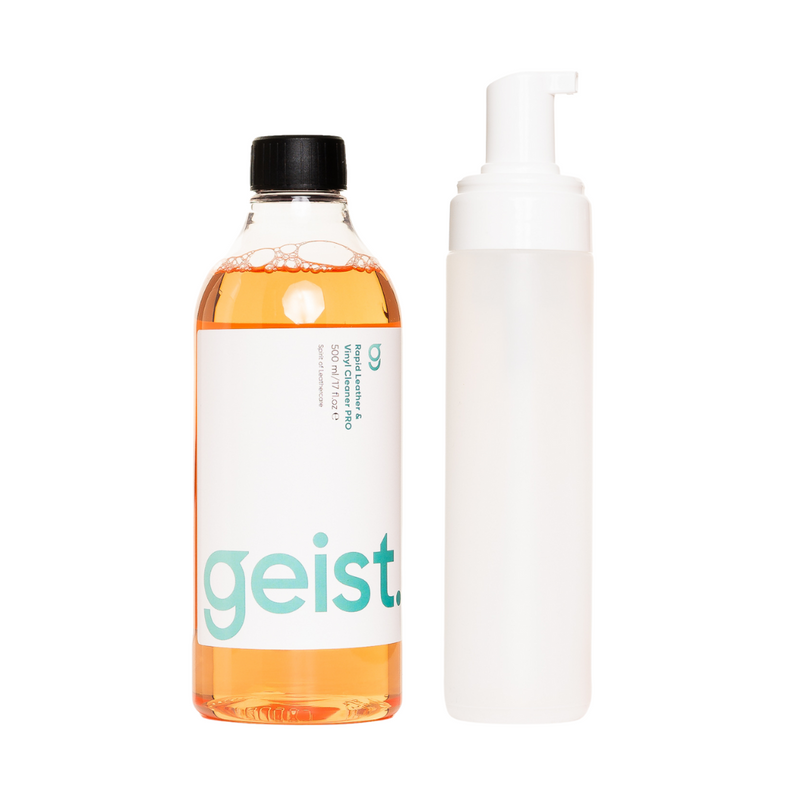
Cleaning is essential for effective repairs. Our Rapid Cleaner PRO with a Leather Cleaning Brush tackles deep dirt and oils.
🧴 For gentler cleaning or spot jobs, use the Rapid Cleaner (Plant-Based)—eco-friendly and safe for delicate surfaces.
🌱 Step 2: Degrease Naturally
Grease can prevent repairs from bonding. Use Degreaser D1—a plant-based solution—to prepare the surface. For heavy-duty jobs, Degreaser Spirit D2 or Dissolve PRO works wonders.
🧽 Step 3: Smooth It Out
Using a Sanding Pad, gently smooth out cracks and glossy areas. This opens the surface and ensures better adhesion of filler or paint.
🛠️ Step 4: Fill Those Flaws
For cracks, scratches, or small holes, use Leather Filler Pro. Spread it with a spatula, let it dry, and repeat as needed. For deeper damage, use Leather & Vinyl Paste and finish with the Dissolve Pen to blend seamlessly.
🔄 Step 5: Replicate the Grain (Optional)
Need to restore the leather’s texture? Our Grain Replicator Kit lets you emboss texture back into the surface for a flawless finish—even after painting.
🎨 Step 6: Add Some Colour
Our Leather & Vinyl Paint system includes 22 base tones to mix your perfect match. Use a sponge or spray gun for application, drying each thin layer with a heat gun.
🎯 Want a factory-perfect finish? Just send us your car’s registration number, VIN, or a leather sample—we'll mix a custom colour just for you.
🛡️ Step 7: Seal the Deal
Apply Top Coat to protect your paint. Add Crosslinker for extra durability—great for high-wear areas. Choose matte, gloss, or satin for the perfect finish.
Finish with Dye & Friction Blocker for smoothness and extra protection.
💡 Bonus Options
-
Fast Fix: Use Easy Colour Restorer for quick touch-ups. It includes primer and top coat in one and can be applied by sponge.
-
Shiny Steering Wheel? Degrease and apply Dye & Friction Blocker to bring back the matte finish.
-
Plastic Parts? Our paint works there too—just add Crosslinker.
-
Ink Problems? Use Ink & Dye Remover or seal with Repair Blocker before repainting.
📈 The Growing Market for Leather Repair
With more people choosing quality over quantity, restoring leather is smarter than replacing it. From classic cars to modern sofas, more customers are seeking eco-friendly, cost-effective restoration.
Geist is trusted by top automotive brands (Tesla, BMW, Mercedes, VW) and global furniture companies. Our products are Designed in Germany, Made in Poland, and engineered for professionals and passionate DIYers alike.
Whether you're a furniture shop, auto detailer, or bag repair studio, we offer tailored solutions—from simple cleaning product sales to full-service repair training.
🗣️ Communicating with Your Clients
-
Be Honest: Explain potential outcomes clearly—like how colour changes can affect texture.
-
Set Expectations: Let customers know that repairs, while durable, can’t always match the longevity of factory finishes in high-wear areas.
-
Teach Aftercare: Offer guidance on cleaning, conditioning, and maintaining leather for best results.
✨ Final Thoughts
Repairing leather doesn’t have to be intimidating—it can be fun, rewarding, and sustainable. With Geist, you get professional-grade products, planet-friendly formulas, and expert support.
So, whether you’re breathing new life into your car’s interior, your favorite sofa, or a beloved handbag, Geist is your go-to for performance and peace of mind.
👉 Start your leather restoration journey at leathercare.com today!





Add a comment